
Master the Art of Healthy Meal Preparation
Discover how strategic meal preparation transforms your approach to nutrition, saves time, and empowers you to maintain consistent, nourishing eating habits throughout the week.
The information on this site is for educational purposes only and does not constitute medical advice. Always consult a qualified healthcare professional before making health decisions.
Why Meal Preparation Matters
Structured meal preparation is the foundation for sustainable, healthy eating habits that fit seamlessly into modern life.
Time Efficiency
Dedicate a few hours weekly to prepare meals that nourish you throughout the entire week, eliminating daily cooking stress.
Nutritional Control
Take command of your ingredients and portion sizes, ensuring every meal aligns with your wellness objectives.
Budget Friendly
Plan purchases strategically, minimize food waste, and stretch your food budget further with intentional shopping.
Lifestyle Balance
Achieve consistency in your eating patterns while maintaining flexibility and enjoyment in your daily food choices.
Five-Step Weekly Meal Prep Framework
Follow this proven methodology to organize your meal preparation efficiently and effectively every week.
Plan Your Meals
Begin by selecting five to seven simple, nourishing recipes that feature seasonal ingredients available in your local market.
- Review your schedule for the week
- Consider variety and balance
- Account for your skill level
Create Your Shopping List
Compile a detailed list of all ingredients required, organized by store section to streamline your shopping experience.
- Check your pantry first
- Buy seasonal and local when possible
- Compare prices for best value
Prep Your Ingredients
Wash, chop, and prepare all vegetables and proteins in advance, storing them in clear containers for easy visibility.
- Use sharp knives for efficiency
- Store properly to maintain freshness
- Label containers with dates
Cook Your Meals
Prepare your chosen recipes using batch cooking techniques, coordinating oven and stovetop use to maximize efficiency.
- Use your time wisely
- Cook in larger quantities
- Cool before storing
Store and Organize
Arrange your prepared meals in the refrigerator and freezer using a system that makes grabbing meals simple and intuitive.
- Use quality storage containers
- Label everything clearly
- Maintain proper refrigeration
Pro Tip
Prepare some components separately (grains, proteins, vegetables) so you can mix and match throughout the week for variety and sustained interest.
This flexible approach prevents meal fatigue while maintaining the time-saving benefits of advance preparation.
Inspiration from Real Meal Prep Photos
Explore visual examples of thoughtfully prepared meals that demonstrate balanced nutrition and appealing presentation.
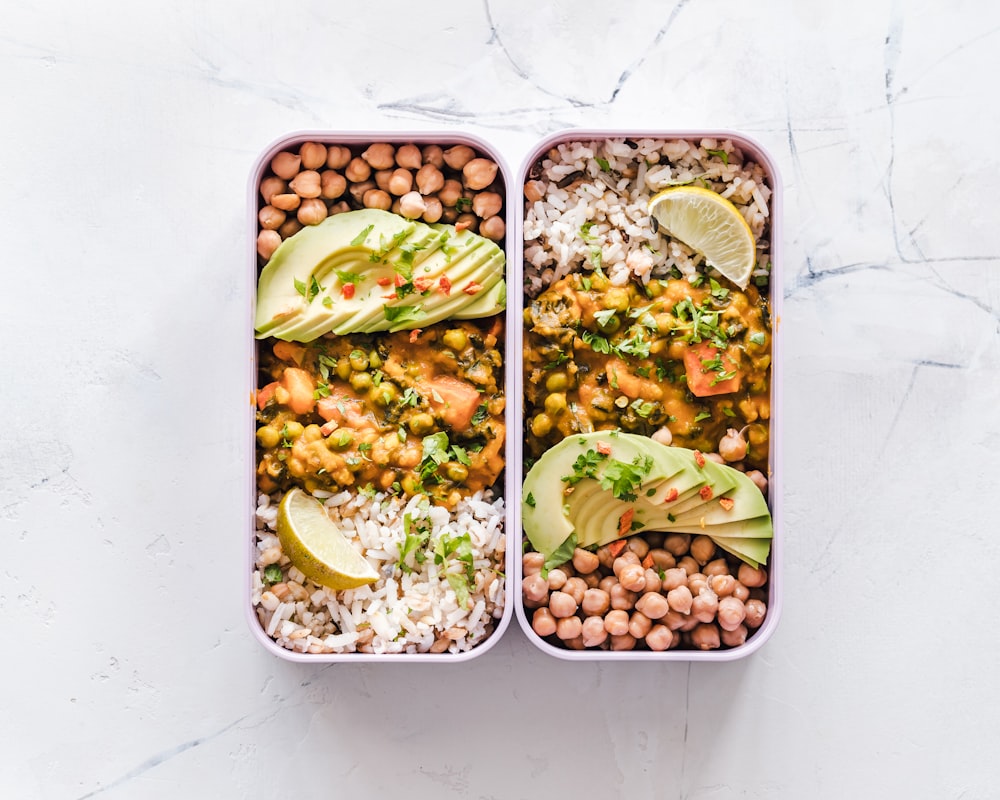
Rainbow Grain Bowls

Prep Station Setup
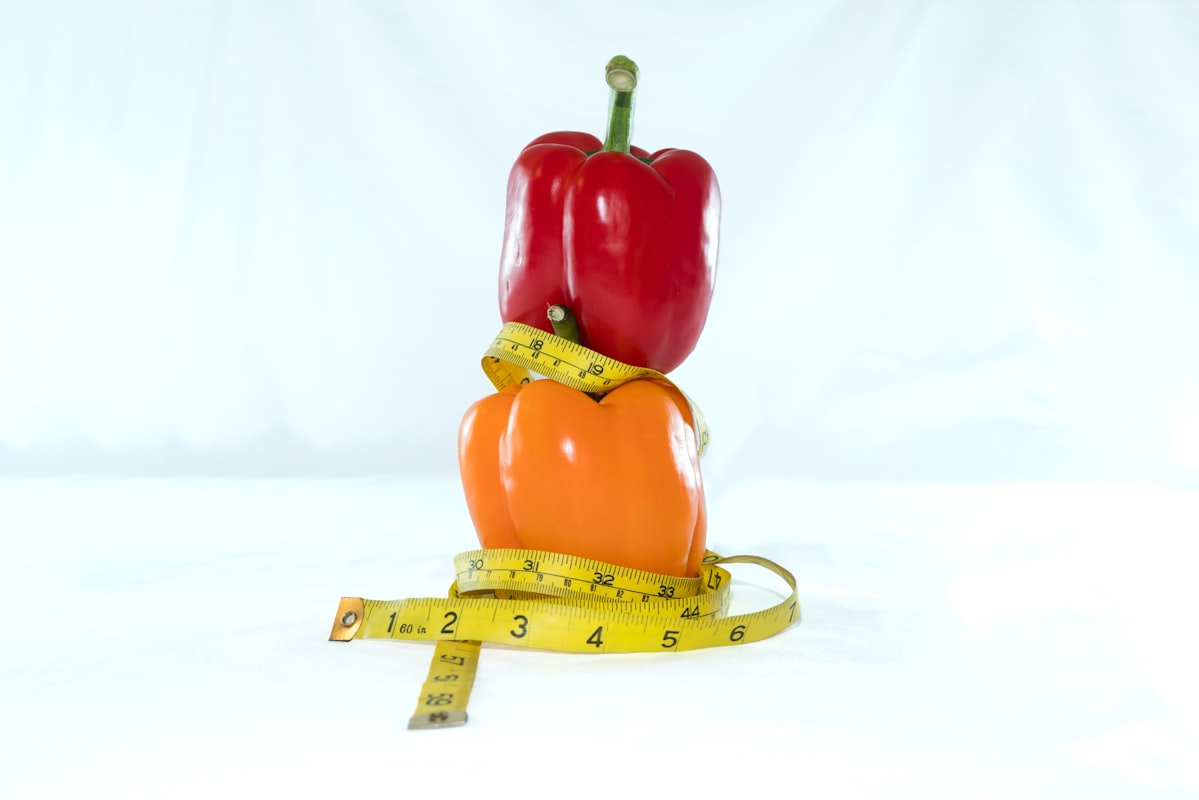
Lunch Box Variety
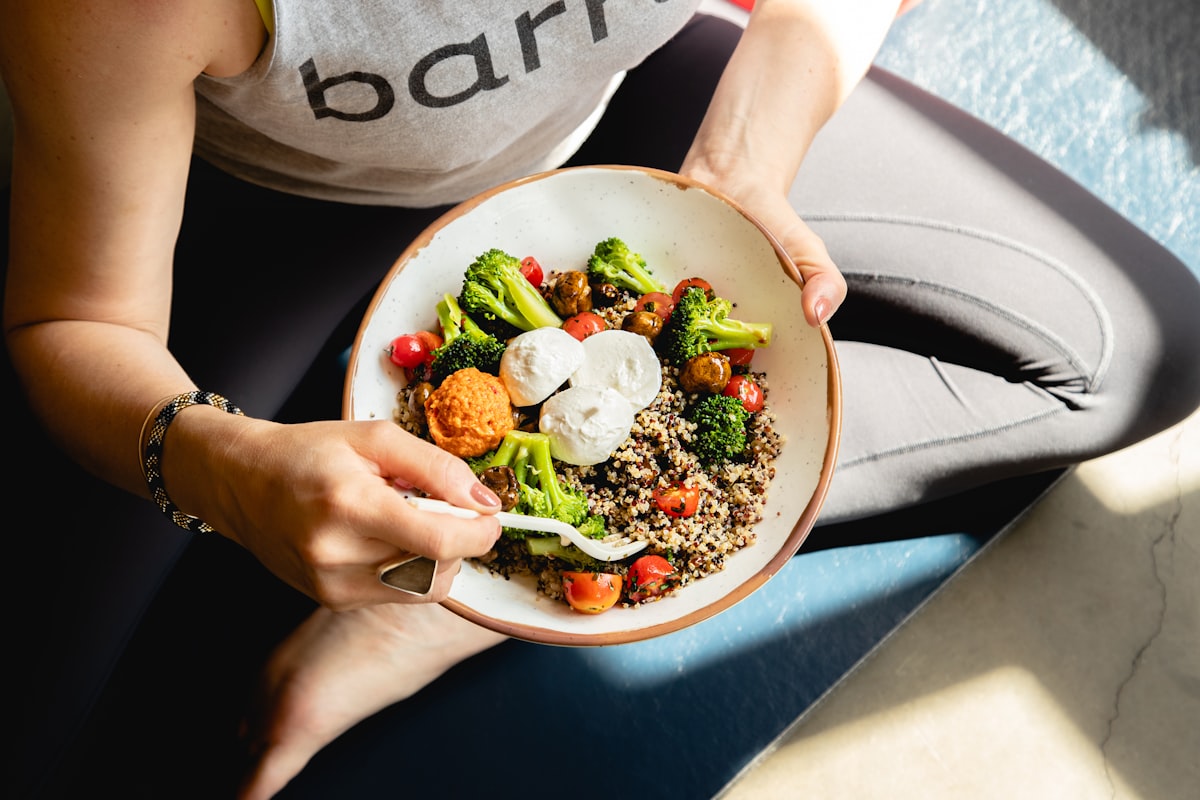
Salad Preparation
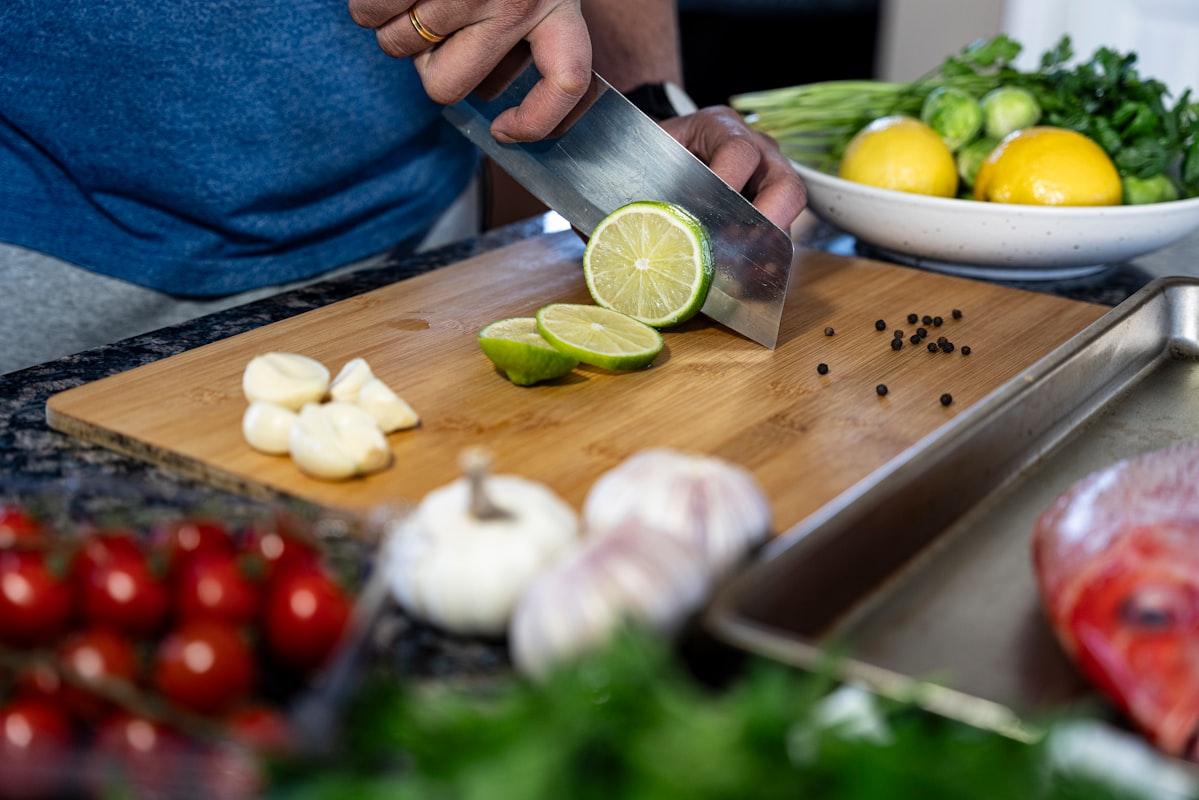
Batch Cooking

Storage Organization
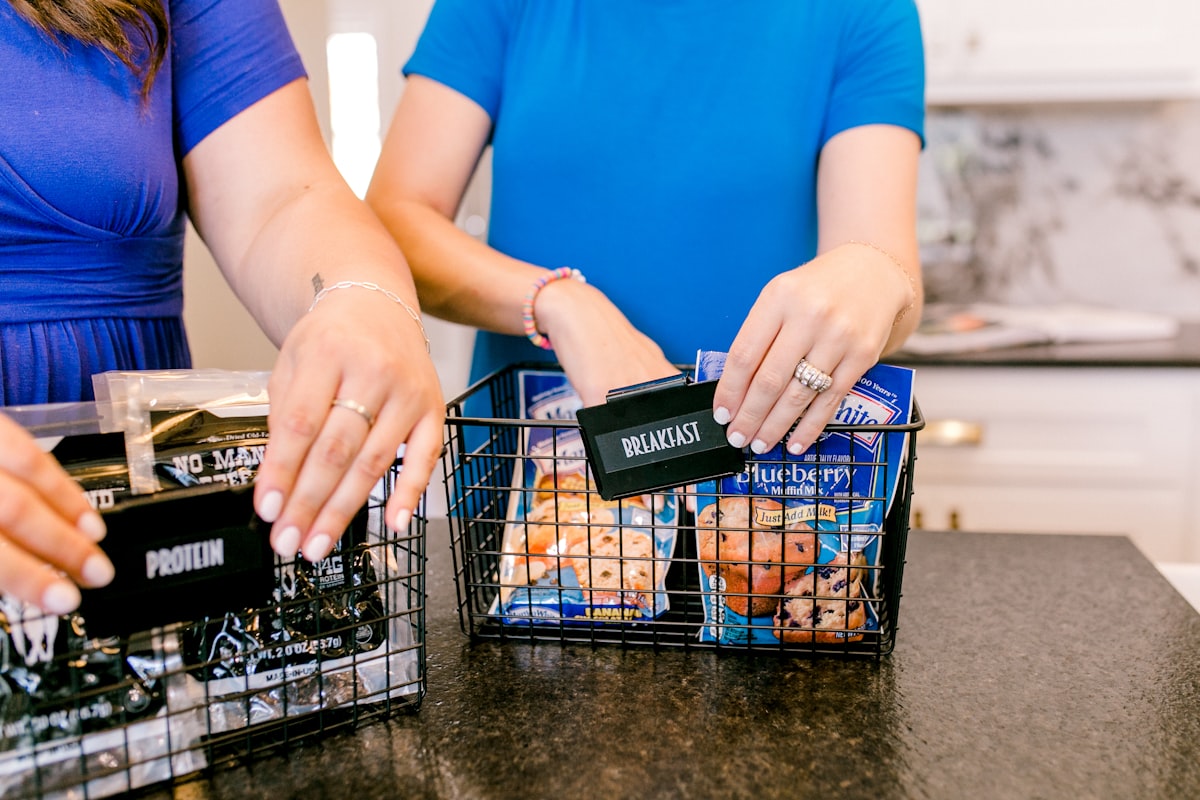
Essential Tools and Equipment Guide
Success in meal preparation relies on having the right equipment. While you don't need expensive gadgets, quality tools make the process faster and more enjoyable.
Must-Have Equipment
-
Quality Knives and Cutting Board
A sharp chef's knife and sturdy cutting board are foundational. They reduce prep time significantly and make cutting safer and more efficient.
-
Food Storage Containers
Glass or BPA-free plastic containers with secure lids keep meals fresh and organized. Choose various sizes for flexibility.
-
Measuring Tools
Measuring cups and spoons ensure consistent portions and help you understand your actual serving sizes.
-
Large Mixing Bowls
Spacious bowls allow you to combine ingredients easily and handle larger batch quantities.
-
Baking Sheets and Pans
Multiple baking sheets enable roasting vegetables and proteins simultaneously, saving valuable time.
-
Labels and Markers
Clear labeling with dates prevents confusion and ensures you consume meals at their peak freshness.
Start with these basics, then gradually add tools like a food processor, slow cooker, or instant pot as your meal prep routine grows.
Key Features of Successful Meal Planning
These proven strategies help transform meal preparation from a chore into an enjoyable weekly ritual.
Simplified Ingredient Lists
Choose recipes that share common ingredients across multiple meals. This reduces shopping complexity and minimizes food waste when items are used across multiple dishes.
Mix-and-Match Components
Prepare proteins, grains, and vegetables separately so you can create different combinations throughout the week. This approach prevents monotony while maintaining efficiency.
Proper Storage Knowledge
Understand which items stay fresh in the refrigerator and which benefit from freezing. Raw vegetables, cooked grains, and proteins have different shelf lives and storage needs.
Balanced Nutrition Planning
Each meal should include protein, complex carbohydrates, healthy fats, and plenty of vegetables. This balance keeps you satisfied and supports consistent energy throughout your day.
Schedule Alignment
Plan recipes based on your actual week ahead. Busier days might benefit from simpler, quicker-to-reheat options, while calmer evenings allow for more elaborate preparations.
Seasonal Shopping
Buy seasonal produce to enjoy better flavor, lower prices, and superior nutritional quality. Seasonal eating also supports local farmers and reduces environmental impact.
Common Questions About Meal Preparation
Find answers to questions that help you establish a successful meal prep routine.